

Exploring South America on Two Wheels: Motorcycle Tours and Adventures
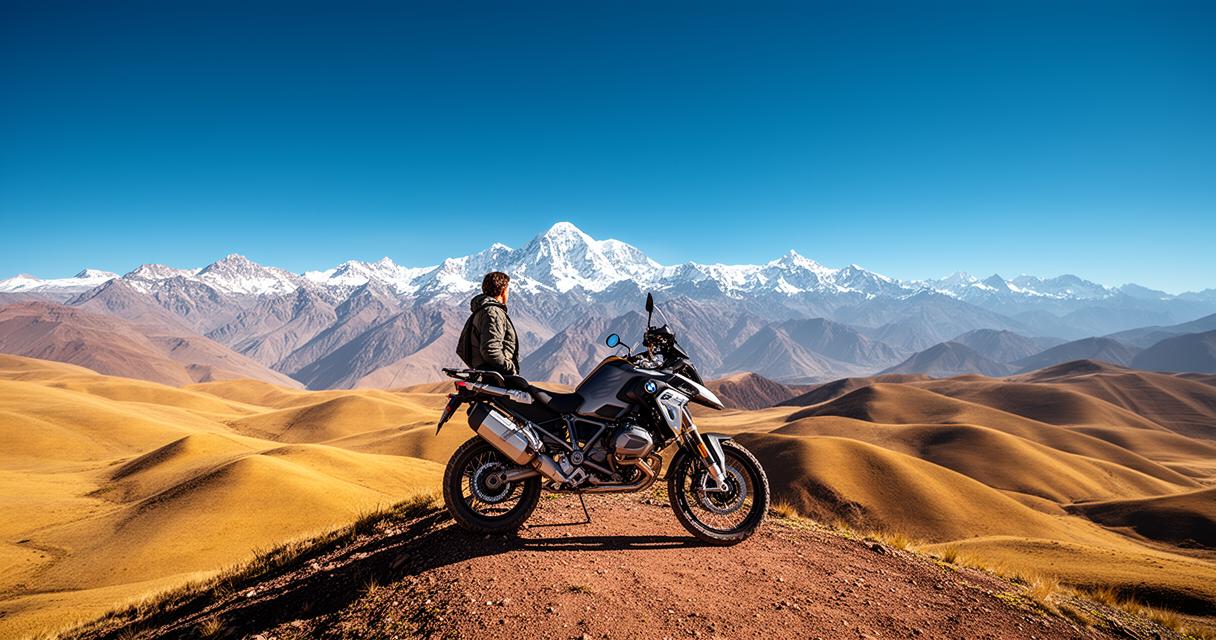
There is something profoundly liberating about setting off across a continent with nothing but a motorcycle beneath you and the horizon ahead. South America, with its staggering variety of landscapes and cultures packed into a single landmass, has become one of the most sought-after destinations for riders craving genuine adventure. From salt flats that stretch to infinity to mountain passes that wind through the clouds, this is a place where the journey itself becomes the reward.
In short
- South America is a premier destination for motorcycle adventurers due to its diverse landscapes, ranging from salt flats to high-altitude mountain passes.
- Thorough preparation is essential for a South American expedition because riders must navigate rapidly shifting climates and challenging terrain.
- Selecting a reliable dual-sport or adventure bike is critical, as parts availability varies significantly outside of major urban centers.
- Successful long-distance travel requires careful management of border documentation, such as temporary vehicle importation permits and specific regional insurance requirements.
- The Carretera Austral in Chile offers a remote, scenic experience through pristine wilderness, though it requires riders to manage fuel carefully on mostly unpaved roads.
- Argentina's Ruta 40 provides an iconic, varied route along the Andes, famous for its proximity to spectacular national parks and cultural encounters.
- Beyond the physical journey, motorcycle touring in South America provides deep cultural immersion through encounters with local communities and regional traditions.
Essential planning for your south american motorcycle expedition
Before you even think about throttling up, a good deal of groundwork needs to happen. south american motorcycle tours demand more preparation than your average weekend ride, largely because the terrain and climate can shift dramatically within a matter of hours. What starts as a warm coastal morning might end with you battling freezing winds at altitude, so packing sensibly and researching your route thoroughly is non-negotiable.
Choosing the Right Bike and Gear for Diverse Terrain
Selecting the right machine is arguably the most important decision you will make before departure. Many seasoned travellers favour dual-sport bikes or adventure tourers, since these models handle both tarmac and rougher gravel tracks with reasonable ease. Reliability matters enormously here, as spare parts for certain brands can be difficult to source once you venture beyond major cities. Riders often lean towards Japanese or German manufacturers precisely because their dealer networks span much of the continent.
Gear needs equally careful thought. Layered clothing works best given the unpredictable weather, and a sturdy set of waterproof panniers will save you countless headaches when sudden downpours arrive without warning. Good boots, a reliable helmet, and gloves suited to both cold mountain mornings and humid lowland afternoons round out the essentials. Some riders also carry basic tool kits and puncture repair equipment, since breakdowns in remote areas can otherwise mean lengthy waits for assistance.
Visa requirements and border crossing documentation
Paperwork tends to be the least glamorous part of any expedition, yet it can make or break your trip. Each country has its own quirks regarding temporary vehicle importation, and riders frequently need a mix of their passport, motorcycle registration documents, and proof of insurance to cross frontiers smoothly. Chile and Argentina, for example, require a temporary import permit for the bike, which is usually issued free of charge at the border but must be surrendered upon exit.
It is worth noting that some nations, including Brazil, have stricter insurance requirements than their neighbours, so checking ahead avoids nasty surprises. Many long-distance travellers recommend carrying photocopies of all essential documents, alongside the originals, since border officials in remote crossings do not always have reliable systems for verifying digital copies. A little patience goes a long way when dealing with bureaucratic delays, which are fairly common in more isolated crossings.
Legendary Routes: From Patagonia to the Pan-American Highway
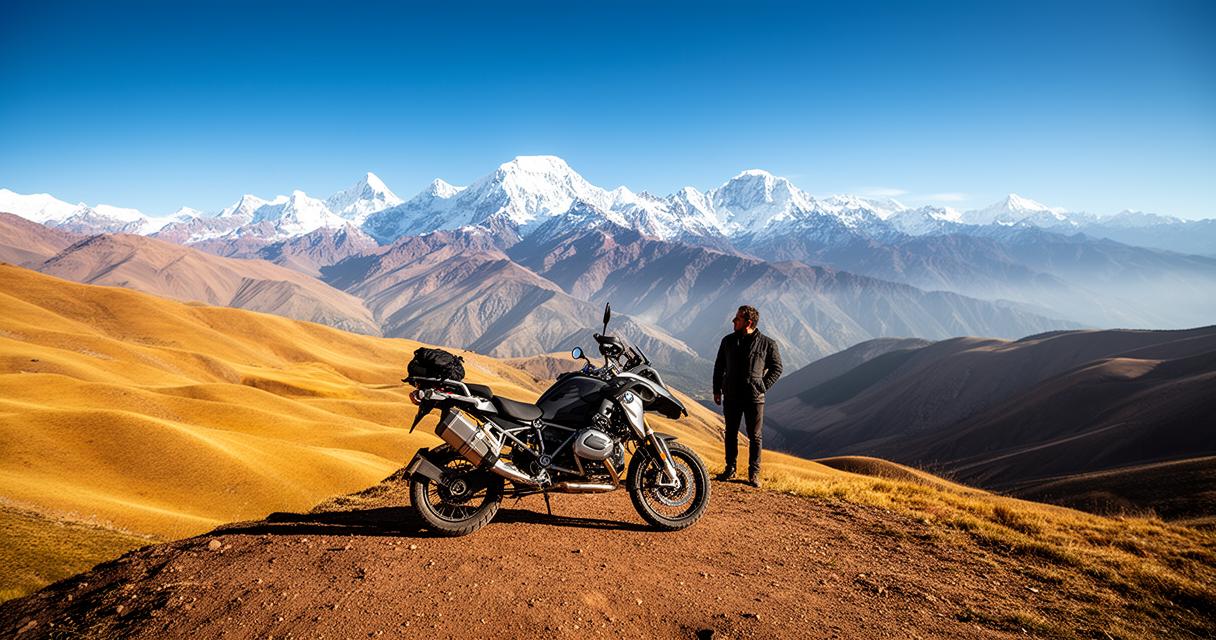
Once the logistics are sorted, the real magic begins. South America is home to some of the most celebrated motorcycle routes on the planet, each offering a distinct flavour of adventure. Whether you crave dramatic wilderness or cultural immersion, the continent delivers in spades.
The carretera austral: chile's remote southern corridor
Stretching through Chilean Patagonia, the Carretera Austral is often described as one of the most scenic roads anywhere in the world. Carved through dense forests, past glaciers, and alongside turquoise rivers, this route rewards riders with jaw-dropping vistas at nearly every turn. Much of the road remains unpaved, which adds a satisfying element of challenge for those who enjoy testing their off-road skills.
Small towns along the way, such as Coyhaique and Villa O'Higgins, offer welcome pit stops where local hospitality and simple, hearty food help riders recharge before pressing onward. The isolation of this corridor means fuel stops require careful planning, but the reward is a sense of untouched wilderness that few other places can match.
Ruta 40: argentina's iconic spine of adventure
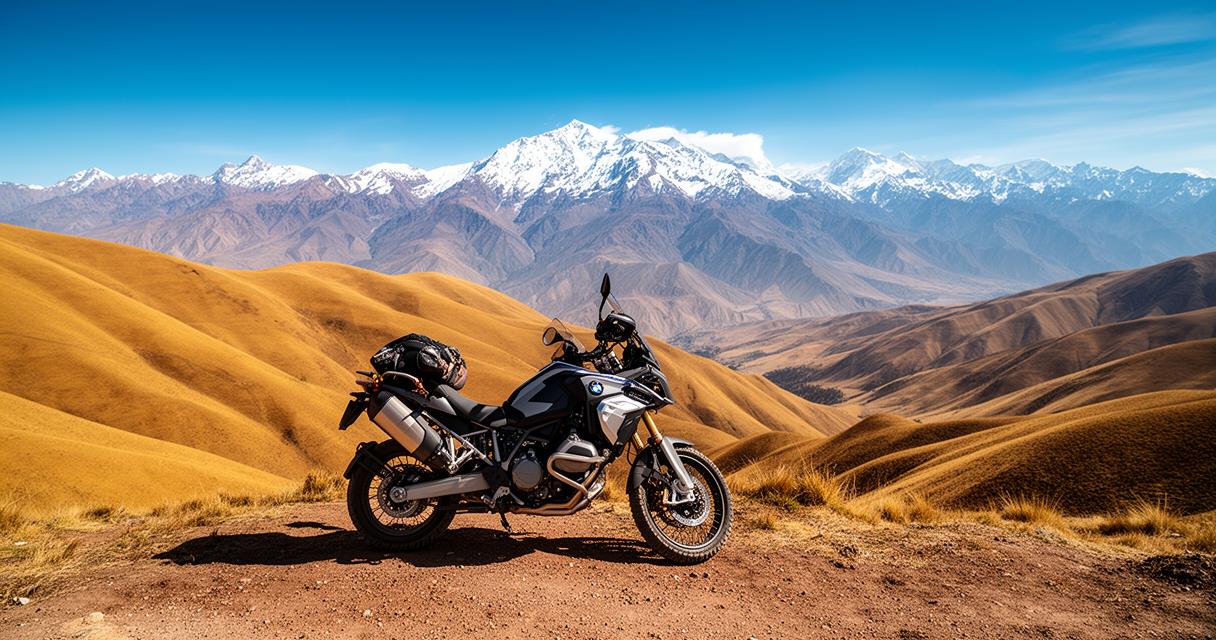
Running nearly the full length of Argentina along the eastern edge of the Andes, Ruta 40 has achieved almost mythical status among long-distance riders. The route passes through vineyards, deserts, and dramatic mountain scenery, offering an ever-changing backdrop that never quite loses its capacity to surprise. Sections near El Chaltén and Bariloche are particularly beloved for their proximity to some of Patagonia's most striking peaks and lakes.
- Riders often combine Ruta 40 with detours into national parks for hiking breaks.
- Wind can be a serious factor, especially in southern stretches, so caution is advised.
- Fuel stations become sparser the further south you travel, making planning essential.
Beyond the physical challenge, both these routes offer something deeper: genuine encounters with local communities, gauchos herding cattle along dusty tracks, and small-town markets where regional produce takes centre stage. It is this blend of natural grandeur and cultural richness that keeps drawing riders back to South America year after year, eager to explore yet another stretch of road they have not yet conquered.