

Test & review: the best camping awning tensioner in 2025 – how next-gen tension mechanisms are revolutionising outdoor adventures
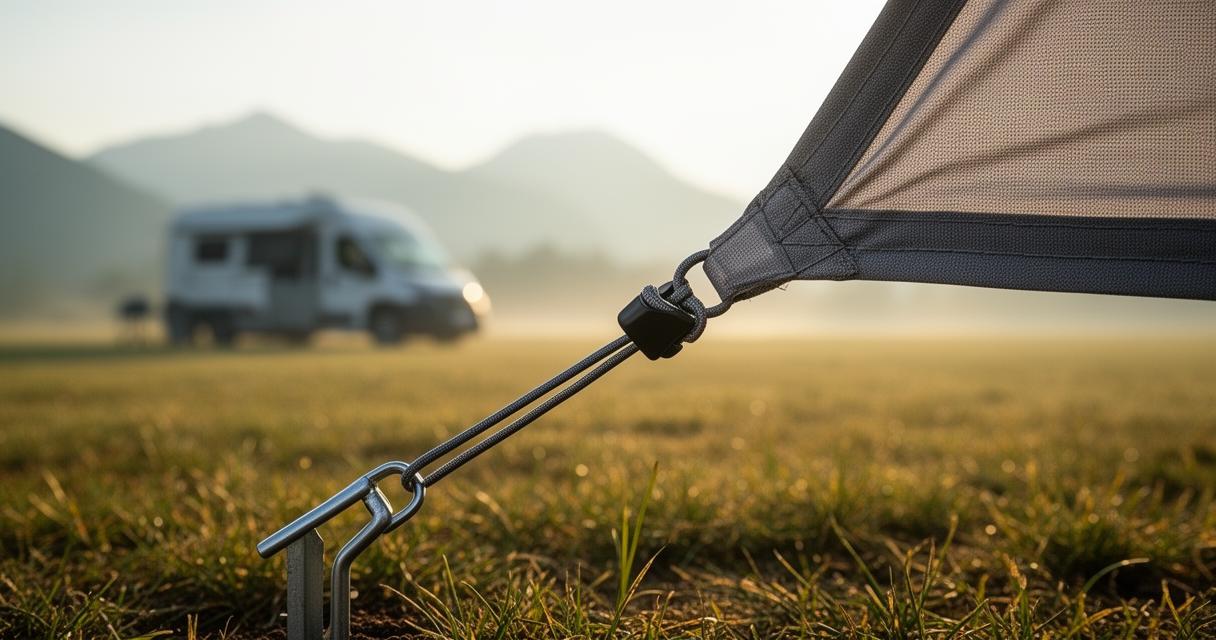
If you have ever watched an awning billow and flap in a stiff coastal breeze, you will understand why a reliable tensioner has become one of the most talked-about additions to any outdoor living setup this year. As more families invest in campervans, motorhomes and caravans, manufacturers have responded with cleverer, sturdier and altogether more user-friendly tensioning systems designed to keep canvas taut through wind, rain and the general wear of a busy season under canvas.
The essentials
- Modern camping awning tensioners have evolved to be more robust and user-friendly, effectively maintaining canvas stability in adverse weather conditions.
- Premium tensioning systems designed for ranges like Movelite and Cayman offer superior durability and often include long-term warranties for added peace of mind.
- The budget segment of the tensioner market has matured, providing reliable and effective hardware for occasional campers without requiring a high investment.
- New, self-adjusting tension mechanisms automatically compensate for fabric expansion and contraction caused by changes in temperature and humidity.
- Contemporary tensioners feature enhanced adjustability, allowing them to fit a wide variety of tent and awning sizes, from compact models to large family configurations.
- Choosing the right tensioner depends on vehicle compatibility, with specific requirements for campervans versus larger motorhomes and caravans.
- Proper initial setup and even pitching are critical to maximizing the performance of any tensioning mechanism regardless of its design sophistication.
Top-rated camping awning tensioners for 2025: our expert verdicts
After putting a wide range of products through their paces across various pitches and weather conditions, a clear picture emerges of what separates a genuinely good tensioner from one that merely looks the part on a shop shelf. The best performers combine robust materials with straightforward operation, meaning you are not left wrestling with straps in the rain while your tea goes cold.
Premium tensioner models: performance testing and real-world results
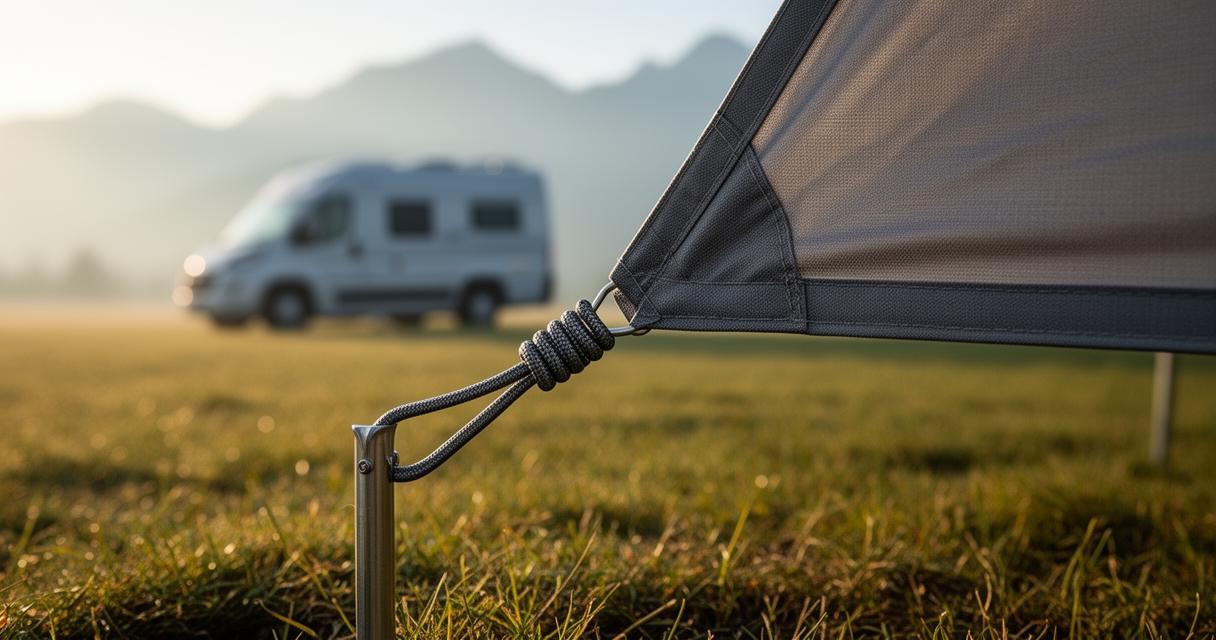
At the top end of the market, tensioners paired with models such as the Movelite, Cayman and Sportlite awning ranges proved consistently impressive during our trials. These systems held their tension admirably even after repeated pitching and striking, a real test of durability for anyone who camps regularly rather than just once a year. What stood out most was the confidence these premium options inspired; there was no creeping slack overnight, and the canvas remained drum-tight through some genuinely blustery evenings. Many of these ranges also benefit from a one-year warranty as standard, with certain air frame models carrying a lifetime guarantee that has been offered since 2017, giving buyers real peace of mind that their investment is protected long after the receipt has faded.
Budget-friendly options that don't compromise on quality
Not everyone wants to spend a small fortune on tensioning hardware, and thankfully the budget end of the market has matured considerably. Several affordable options performed admirably well above their price point, offering dependable grip and adjustment without the premium price tag. These tend to suit those who camp occasionally or who are just starting to build up their camping equipment collection alongside essentials like sleeping bags, chairs and cool boxes. The key, as ever, is not to assume cheaper automatically means flimsier; some of the most pleasant surprises in our testing came from unassuming, competitively priced kits that simply got the job done without fuss.
Understanding next-generation tension mechanisms: size, height, and adjustability features
One of the biggest shifts in tensioner design over recent years has been a move away from one-size-fits-all thinking. Awning owners now expect their equipment to adapt to their specific setup rather than the other way round, and manufacturers have largely delivered on this front.
How modern tensioners accommodate different awning dimensions and heights
Whether you own a compact Bell tent style structure or a larger family-sized Airedale model, tensioners now come with a far broader range of adjustability than they once did. Models built to suit the Airedale 5.0S through to the more expansive 9.0SEL, along with the popular 400T, 500T and 700TSE variants, all demand slightly different tension points depending on their height and pole configuration. Similarly, the Atom 500 and 600 tents, known for their sleeker profile, benefit from tensioners that can be fine-tuned to a lower height without sacrificing grip. This flexibility means a single well-designed tensioner can often serve multiple tent types, which is a welcome development for anyone who upgrades their setup over time.
Revolutionary tension technology: from manual systems to auto-adjust mechanisms
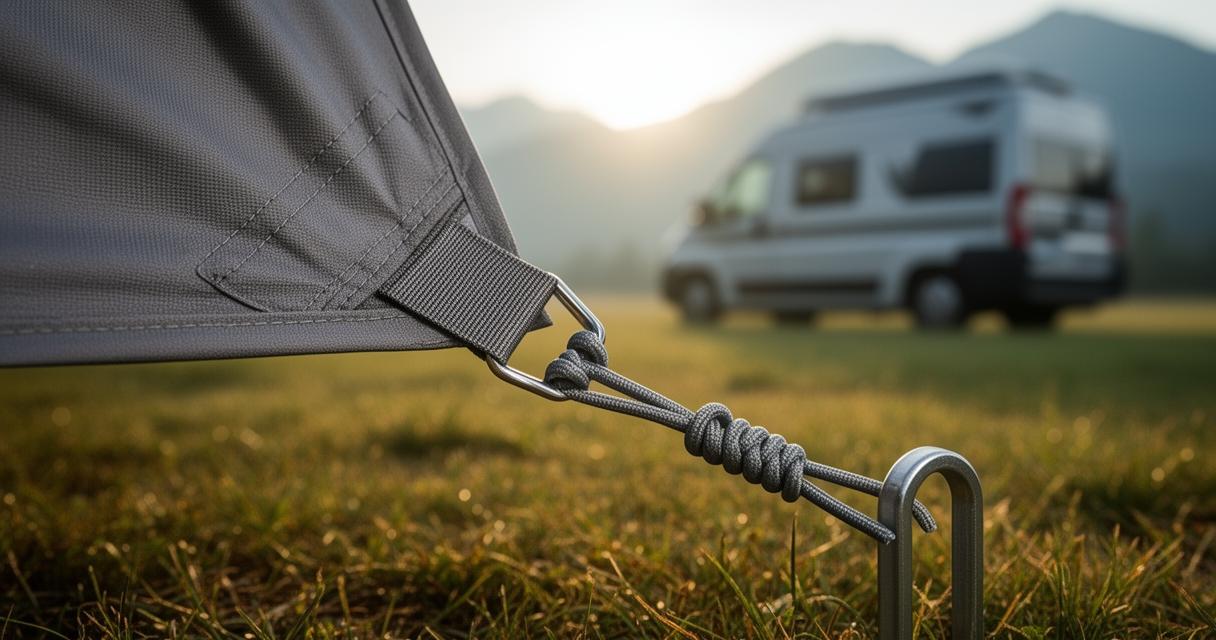
Perhaps the most exciting development in this space is the shift from purely manual ratchet-style tensioners towards auto-adjust mechanisms that respond to changes in temperature and humidity. Canvas and polycotton fabrics naturally expand and contract, and older manual systems often required midnight adjustments after an unexpected downpour. The newer generation of self-regulating tensioners largely eliminates this hassle, quietly taking up slack or releasing tension as conditions change. It is a small piece of engineering that makes a considerable difference to the overall camping experience, particularly for those who value a good night's sleep over fiddling with straps by torchlight.
Vehicle Compatibility Guide: Matching Tensioners to Your Van, Caravan, or Motorhome Setup
No tensioner exists in isolation, and choosing the right one depends heavily on what it will be attached to. A setup that works beautifully on a caravan may prove entirely unsuitable for a campervan with a lower roofline, so it pays to think carefully before purchasing.
Essential Considerations for Different Vehicle Types and Awning Configurations
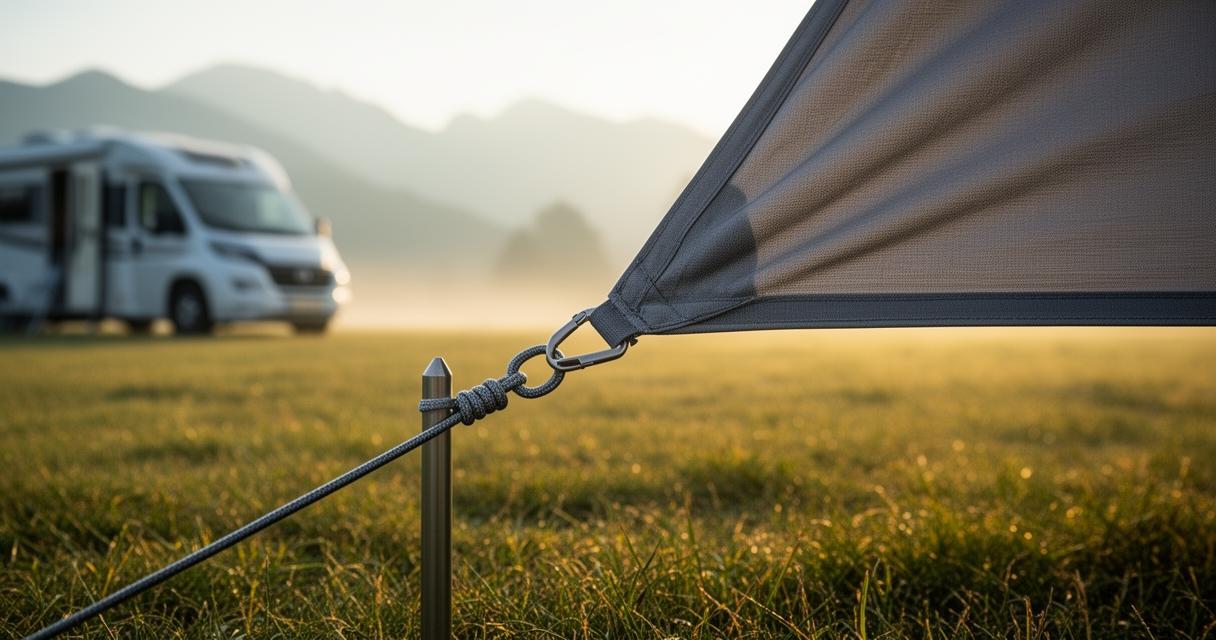
Owners of campervans typically need more compact, lightweight tensioning solutions given the reduced awning rail height, whereas larger motorhomes and caravans can generally accommodate heavier-duty systems with a wider adjustment range. It is worth checking your specific rail profile and awning attachment style before committing, as compatibility issues remain one of the most common frustrations reported by customers. Reputable outdoor retail suppliers are usually happy to advise on the right match, and many offer detailed sizing guides alongside their product listings to help you avoid a costly mismatch.
Installation tips for optimal performance across various camping setups
Fitting a tensioner correctly makes an enormous difference to how well it performs, regardless of how sophisticated the mechanism itself might be. It is worth taking your time during the initial setup, ensuring the awning is pitched evenly before applying tension, rather than trying to correct an uneven pitch afterwards. Many manufacturers include clear instructions, though a quick call to customer service can save considerable frustration if anything seems unclear. Given that product specifications and dimensions can vary slightly between batches, it is always sensible to double check measurements against your own awning before fitting. For those buying through an online shop, signing up to a newsletter often brings advance notice of new releases and the occasional competition, which is a pleasant bonus for regular customers who value innovation, quality products and genuinely competitive pricing in equal measure.